
A real yangnyeom chicken recipe with exact double-fry temperatures, cup-and-tablespoon quantities, and the one step that keeps the crust crunchy for hours.
- Fry it twice: 320-330°F for 6 minutes, let it rest, then 350-360°F for about 5 minutes more, with the rest in between doing most of the work.
- Four servings from 2 pounds of wings: 25 minutes of actual work, the rest is the chicken sitting in the fridge.
- Check first: marinate at least 2 hours, up to 24, since a rushed marinade is the one step this recipe can't fix later.
Most home versions of Korean fried chicken go soft within ten minutes, and the sauce usually gets the blame, when it's rarely the sauce at fault. It's the pan losing its heat the moment the chicken goes in, and the recipe skipping the part where everything comes back out, the oil climbs hotter, and the chicken goes back in for a second, shorter fry. In Seoul the real thing arrives already lacquered red-orange, the crust still audible under the glaze, next to a bowl of pickled radish nobody orders but everyone reaches for anyway. That crunch, not the chili paste, is what a home kitchen actually has to earn.
The method itself isn't complicated. Salt and marinate the wings, batter them, fry twice, then either toss the pieces in sauce or brush it on by hand. What trips people up is skipping the gap between fries, the part that looks like wasted time but is actually where the crust sets.
What is yangnyeom chicken (양념치킨)?
"Yangnyeom" simply means seasoned. The dish is fried chicken double-coated: first in a thin starch batter, then in a sweet, spicy, sticky sauce built on gochujang, usually finished with garlic and sugar plus a little soy sauce.
🍗 The recipe: yangnyeom chicken for four
Four servings, about 2 hours 45 minutes end to end, rated 4.78 out of 5 by 113 home cooks. That's Korean Bapsang's red spicy version, written by Hyosun and last updated 2022-03-21.
| Ingredient | Amount |
|---|---|
| Chicken wings (drumettes + wingettes) | 2 lb, about 16 pieces |
| Salt | 1½ tsp |
| Black pepper | pinch |
| Grated ginger | 1 tsp |
| Frying mix or all-purpose flour + ½ tsp baking powder + ¼ tsp salt | ½ cup |
| Potato starch or cornstarch | ¼ cup |
| Water | ¾ cup |
| Oil, for frying | 4-5 cups |
| Soy sauce | 1 tbsp |
| Rice wine or mirin | 2 tbsp |
| Gochujang | 1-1½ tbsp |
| Hot sauce (sriracha, Tabasco, or similar) | 1-2 tbsp |
| Sugar | 2 tbsp |
| Honey | 2 tbsp |
| Minced garlic | 1 tbsp |
| Water, for the sauce | 4 tbsp |
| Sesame seeds, scallion (garnish) | to taste |
Source: Korean Bapsang's Korean Fried Chicken (Yangnyeom Chicken) recipe card, checked 2026-10-05. This is the wet-batter version; a dry-only option (½ cup potato starch, no water) works too, with a thinner, more gluten-free crust.
-
Wash and drain the wings, then mix in the salt and pepper, followed by the grated ginger. Refrigerate at least 2 hours, ideally overnight to 24 hours.
-
Combine the sauce ingredients and boil over medium heat for 4-5 minutes, until it thickens slightly.
-
Mix the frying mix, potato starch and water into a smooth batter, then coat the marinated wings.
-
First fry: heat the oil to 320-330°F and fry the chicken in two batches, about 6 minutes each, until lightly golden. Drain on a wire rack and let it rest.
-
Second fry: bring the oil up to 350-360°F and fry all the chicken together for about 5 minutes, until deep golden brown. Drain again.
-
Toss the chicken in the sauce, or brush it on piece by piece, then finish with sesame seeds and scallion.
🌶️ Why does homemade Korean fried chicken go soft?
Almost always because the rest between fries gets skipped. Letting the chicken sit on a rack after the first fry gives the remaining moisture a chance to escape, and that's what the second, hotter fry locks into a shell instead of steaming back into the crust.
The batter choice matters almost as much as the temperature does. Korean Bapsang's own notes say the dry starch-only coating makes "a simple way to create a thin, crispy and crunchy crust," but the wet batter, mixed at a 2-to-1 ratio of starch to flour-based mix, is what most Korean fried chicken actually uses, giving "a delicately thin crust that's deeper in color but lighter in texture than that of starch alone".
How the sauce goes on matters too. A full toss coats every piece fast, but hand-brushing is the move well-known chicken shops make instead, purely to keep the crust crunchy longer.
🍺 How yangnyeom chicken took over Korea
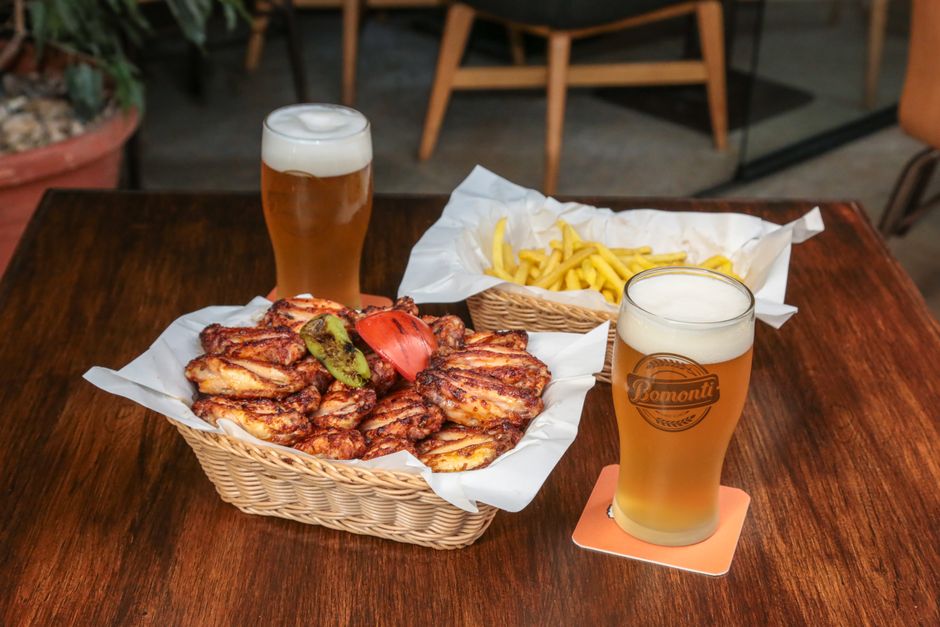
It's a fairly recent habit, not an old one. Korea's first modern fried-chicken franchise, Lims Chicken, opened in 1977 in the basement of Shinsegae Department Store in Seoul's Chungmu-ro, started by Yu Seok-ho, and it was sold from the start as the food to eat with draft beer. The sweet-spicy sauce coating came a few years later, from Pelicana, founded by Yang Hee-kwon in 1981 with its first franchise opening that March 20, the chain credited with developing and commercializing the gochujang-based glaze that made yangnyeom chicken its own category.
What is chimaek (치맥)?
A blend of "chicken" and maekju, the Korean word for beer. It's less a menu item than a routine: order a whole fried chicken, split it between a few styles, and work through a round of draft beer while it's still hot.
The habit scaled fast. South Korea had more than 20,000 fried chicken restaurants by 2013, 36,000 by 2017, and by 2026 the count had reached 40,000 domestically, with another 1,800 run by Korean brands across 60 countries.
That growth shows up in delivery prices too. A single order from a Seoul chain ran ₩28,900 (about $21.50 at ~₩1,343.56/$1) in March 2026, and the usual ₩3,000-4,000 delivery fee pushes most orders past ₩30,000 before the first piece is eaten. The same report traced part of that climb to the raw chicken itself, which had reached ₩6,600 per kilogram, 14% higher than a year earlier.
USD at ~₩1,343.56/$1, the Oct 4, 2026 close. Delivery price and raw chicken cost from SBS Biz, published 2026-03-30.
Yangnyeom chicken isn't the only sauce-coated version, and it isn't the same dish as dak-gangjeong. Dak-gangjeong is a variation of it: the pieces are lightly starch-coated, double-fried, and glazed, but with a soy-and-garlic sauce rather than the gochujang-heavy red glaze.
What does "gangjeong" mean?
Gangjeong is originally a traditional Korean sweet, a deep-fried, hollow rice puff coated in honey and topped with seeds or nuts. Dak-gangjeong (닭강정) borrows the name and the honey-forward glaze, applying the same idea to chicken instead of rice.

- If you have one more day Marinate overnight instead of the 2-hour minimum. Korean Bapsang's own recipe calls overnight to 24 hours the better range, not just an option.
- What locals argue about Dry batter or wet. The recipe's author settled on wet, since Korea's own fried chicken is "more commonly made with wet batter," even though the dry version is simpler and happens to be gluten-free.
- Watch for The jump between fries. 320-330°F to 350-360°F is a real swing, not a rounding difference, so give the oil time to climb back up before the second batch goes in.
- Do I have to use wings, or can I use other cuts?
- No. The page's own note is direct about it: "any small cut(s) of chicken works," and it adds that in Korea, cutting up a small whole bird for frying is just as common as reaching for wings specifically.
- Can the sauce be made ahead of time?
- Yes, well beyond a day: it keeps for a couple of weeks refrigerated in a sealed jar, so a weekend batch covers several dinners. Give it a stir and a quick warm-up on the stove before using it again.
Fry it twice, rest the chicken in between, and brush the sauce on instead of dumping the whole batch into the bowl. That's the full gap between a soggy plate and the one worth the two rounds of oil.
Prices and hours were checked on 2026-10-05; they change, so double-check before you go.
Sources
- [other] Korean Bapsang, "Korean Fried Chicken (Yangnyeom Chicken)" recipe by Hyosun, reference recipe adapted for this post (ingredients, steps, times, servings, rating, batter notes, author quotes)
- [other] Wikipedia, "Korean fried chicken" (Lims Chicken founding, chimaek term, restaurant counts 2013/2017/2026)
- [other] Wikipedia, "Pelicana Chicken" (founding year, founder, first franchise date, HQ)
- [other] Wikipedia, "Yangnyeom chicken" (definition, sauce composition)
- [other] Wikipedia, "Gangjeong" (traditional confection definition)
- [other] Gwangju News, dakganjeong recipe (dak-gangjeong as a yangnyeom-chicken variation, soy-garlic glaze)
- [press] SBS Biz, delivery fried chicken pricing and raw chicken cost, published 2026-03-30
- [other] Investing.com, USD/KRW historical data (Oct 4, 2026 close, ₩1,343.56/$1)

A Korean living in Seoul who checks the timetable before trusting the brochure.
Drafted and researched with AI help, checked against the sources, then read and approved by me before it goes up.


No comments:
Post a Comment